


Back to Basics
Jul 7, 2017
6 min read

As the world progressed, we discovered conveniences and the so called ‘better systems’ for our daily life. Plastic is one such discovery that took the world by storm and refused to go away. If we look around carefully, our home, office, kitchen, and our daily routine – you will find it filled with plastic. Your kitchen, your tiffin, takeways, grocery shopping, your car, phone, computer, even your chewing gum – plastic is found virtually in everything these days.
Plastic accounts for a large percentage of waste in garbage dumps, and is harmful to the environment as it is not biodegradable. Most of the plastic that we use is not recycled and ends up in garbage, seas, land, soil and even animals stomachs! (Remember the cow that had only polythene bags in her stomach) The contribution of plastics towards global warming is also large. The production of five plastic bags creates around 1kg of carbon dioxide. Plastics also eliminate methane gas, a catalyst for global warming.
How to reduce this dependence on plastics? Well, there are many, small ways of reducing our plastic without making huge lifestyle sacrifices. It‘s just all about going back to basics! All we need to do is mimic the ways of our parents or grandparents. If we think about how things were done 30- 40 years ago, you’ll realize “life without plastic” is not only possible but also not that difficult….
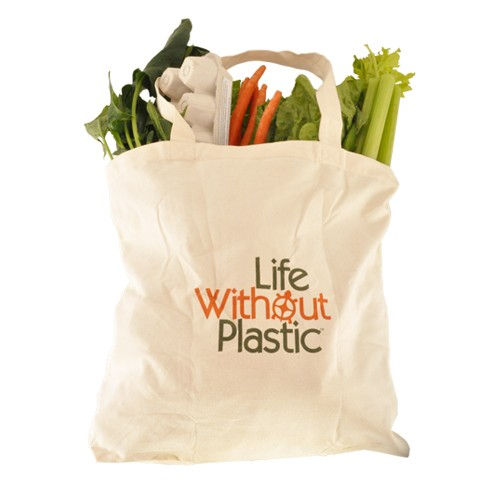
Good old ‘Cotton Cloth’ Bag: Remember the cloth bag that was your grandfather’s constant companion? Remember your granny recycling an old bedsheet, curtains or leftover fabrics to stitch bags for the household? Say No to those plastic bags and in style. Just pick up a trendy, colourful cloth bag for yourself and make it your new best friend. A cloth shopping bag is reusable over and over again, and can be taken along for any shopping trip, fold it and it will fit in your handbag, easy to store in the boot of your car, so you don't have to take home even more plastic bags, every time you go out shopping!

Dispose the Disposables: Flashback to 80s – hardly any disposable containers or cutlery was used. Then our busy lifestyles changed and enter the age of the disposables. We have disposables for almost everything you can think of: disposable containers, plates, cutlery, cameras, milk bottles, diapers and even adult underwear, just to name a few. Most of the disposable cutleries we use are made from a type of plastic called polystyrene which is manufactured from petroleum and is highly flammable and chemical called benzene, which is a known human carcinogen. You can certainly do your part in stopping this. Sure, it’s a lifestyle change but every little effort counts towards reducing waste and harm to the earth.
Back to ‘Open Markets’: Gotten used to the air-conditioned grocery shopping? Used to picking up well washed, beautifully, plastic wrapped fruits or readymade juices? Here’s an idea – pick up your cloth bag and get back to buying fresh vegetables and fruits from the open farmer weekly markets. Not only is the produce fresh, it’s cheaper with no plastic packaging, so much better for the environment. Remember, to pick up fresh fruits for that homemade, delicious fresh fruit juice – no containers or juice bottles. The less processed foods we eat the less waste we throw away with paper and plastic packaging.

Replace plastic containers with Steel & Glass: Go down the memory lane and revisit your granny’s kitchen store. Remember the big glass containers that were used to store groceries and pickles or the steel big containers? They were definitely so much cooler than plastic containers – they were more long lasting and non toxic. As for your kitchen silverware, it’s back to shiny, practical steel which is easy to maintain and they don’t stain like plastic and most importantly no icky toxic chemicals will leak into your food. Infact for the design conscious, some very stylish and good looking steel-ware is available in stores these days.
Say No to Diapers: Your grandmothers swore upon cloth nappies and before the birth of the new baby, old bed sheets and soft cotton cloth would be sewn into triangular nappies. They vouched for it and with reason. Cloth Nappies are soft, recyclable unlike the disposable diapers that dump tonnes of plastic in the environment every year, adding to the toxic waste in the environment. It’s a tough call but take small steps – reduce the use of diapers to only emergencies or travel. Remember each small step goes a long way in reducing our ‘plastic footprint.’
Carry your Own Mug & Water Bottle: Most coffee regulars have their own favourite mug that they love to have coffee in. Just carry it with you – to the office or the coffee shop. Personalize it with your own caption, picture, your favourite slogan and just carry your style statement with you, every time you go for a coffee with friends or colleagues. Same goes for water bottles. Using a resuable stainless steel or glass water bottle that you fill with properly filtered water is an easy, economical and sustainable way to drastically cut down on plastic consumption.
Just Say No to Straws: In the good old days we managed to drink liquids without straws and am sure it wasn’t that unhygienic or ‘un-cool’! Saying no to straws is a very small miniscule attempt – but an effective one, if we multiply it with the number of people going to fast foods, drive thrus or just lunching and dining out everyday, using a straw while consuming a soft drink! And if you are very finicky, carry your own glass drinking straw or your favourite cuppa is always with you anyways!!
Pick Up The Right Package: It’s the age of packaging where the outer appearance counts more than what’s inside! Be a ‘Green shopper’. Choose to buy products that are packaged in materials that can be recycled, such as glass and paper, or that have no packaging at all. Consumer choices will impact on business and economic decisions. Your choice to refuse plastic as a packaging material will help to increase that impact. Small choices – buy meat from local butcher, choose cardboard egg container, pick up bar soap over liquid in bottles and use cardboard box for laundry detergents – Big Impact!
Reuse Glass Containers: If you remember in our grannies household everything was reused and recycled. Every jar, container was used for ages and ages. Our empty glass containers are reusable, sustainable, eco-friendly alternative for many household items such as shampoo, soap, sauces and beverage containers.
Giving up the Gum: We have been popping in chewing gum for ages, without realizing that we may be chewing toxic plastic. Way back gum was made from natural rubber but was later replaced by polyethylene and polyvinyl acetate. While the die- hard chewing gummers would say that it may be possible to recycle gum but for your health, environment, just give up the gum and its plastic wrapping altogether.
Light fire the traditional way: Discard your plastic lighters and get back to simple wooden matchsticks just like the good old days. If you still want to stick to lighters, buy a metal one or take the refill type to reduce the plastic disposal in the environment.
Reusing Plastic: Now that plastic has entered our homes, we can reduce it slowly over a period of time, but reusing plastic in your home also helps just as much as recycling. Wrap your sandwiches for work in plastic wrappers from other products. Plastic bags from bread can act as sandwich bags. Larger plastic bottles can be used to make hanging baskets to grow plants outside. Be creative--there is a use for everything, and it is better to reuse than dispose.
Back to our Wooden Toys: Remember the wooden horse or the mini kitchen set we had that was made up of wood? While today our kid’s toy rooms are overflowing with plastic toys. Switching to natural fiber toys seems unlikely? Well remember kids do better with less toys. Give a child a good set of wooden blocks, natural fiber dolls, wooden vehicles and you will be amazed how many hours they can play with these simple toys. Many more hours using their imagination then they ever did with their plastic toys.
Turn Plastic Waste into a Road: There have been experiments where a way has been found to transform plastic waste into concrete. It’s a beautiful solution and solves two of our national problems at the same time – our bumpy, battered Indian roads and unlimited toxic plastic waste. Some waste management companies in India are successfully replicating this model. For all those individuals who are the driving force in your communities, RWA members and decision makers, push for plastic roads. It’s a definite win win solution all around.


Comments